Stormwater Control- Nutrients in Runoff
Save Your Project and Our Water Resources
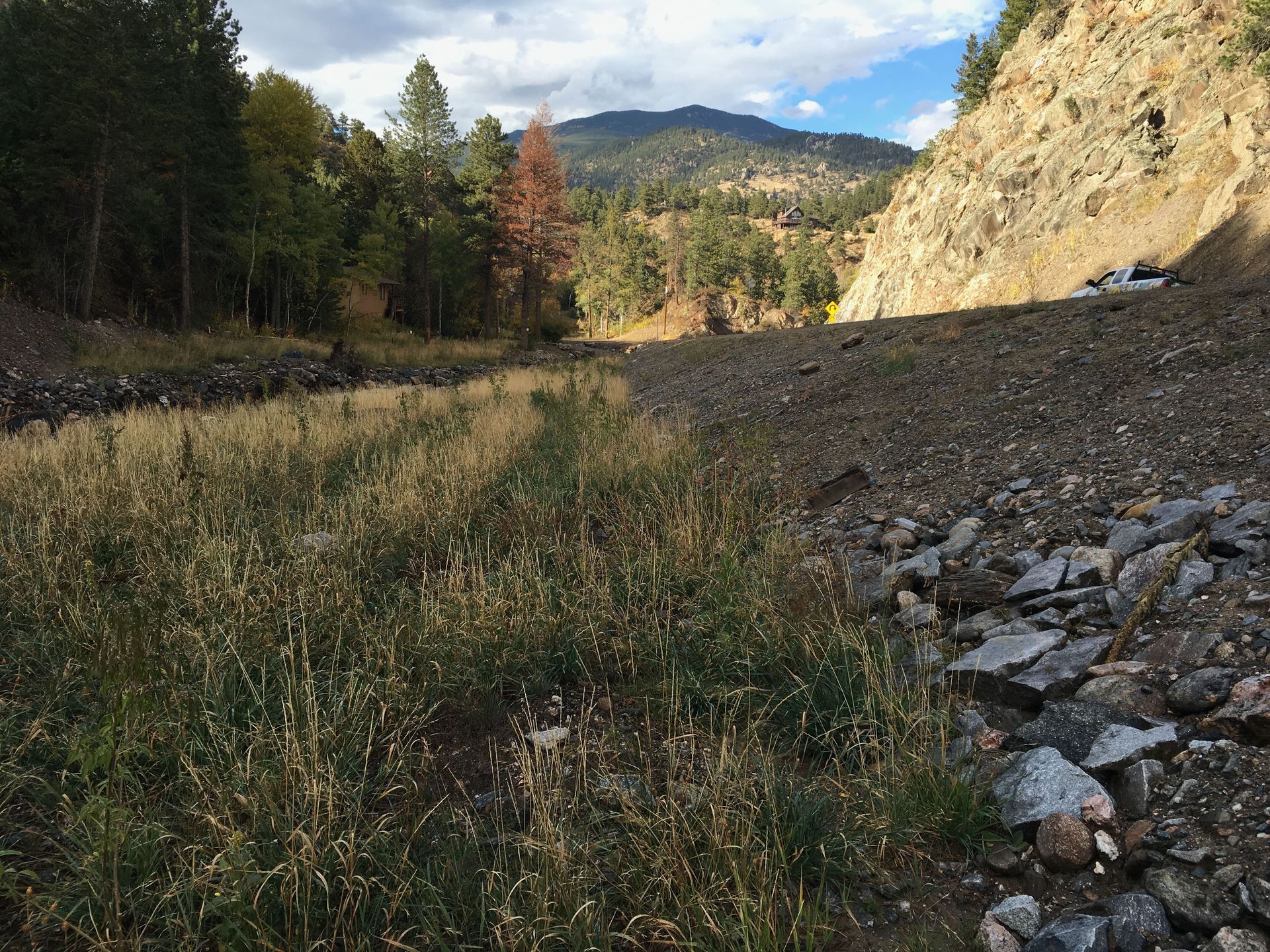
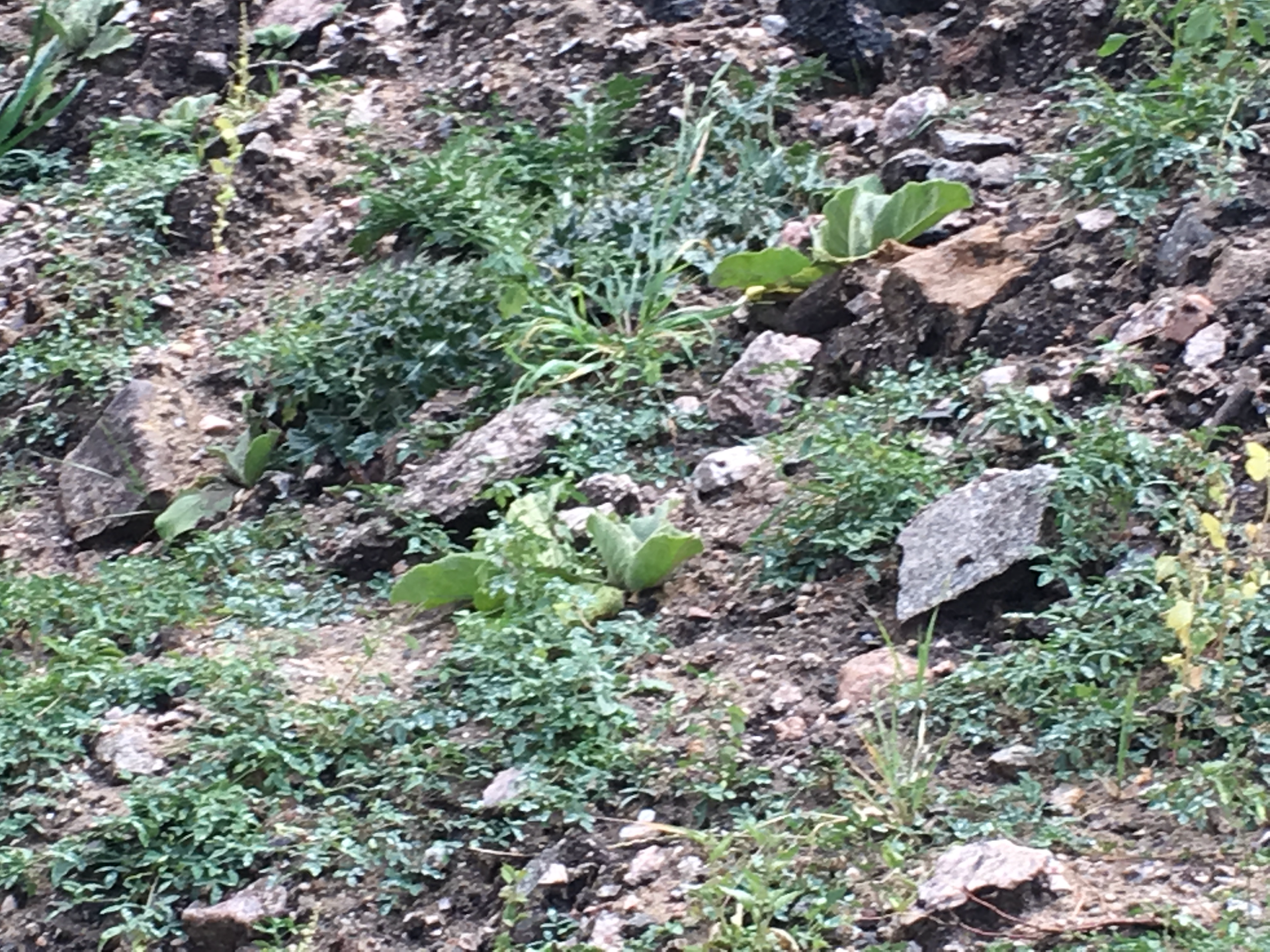
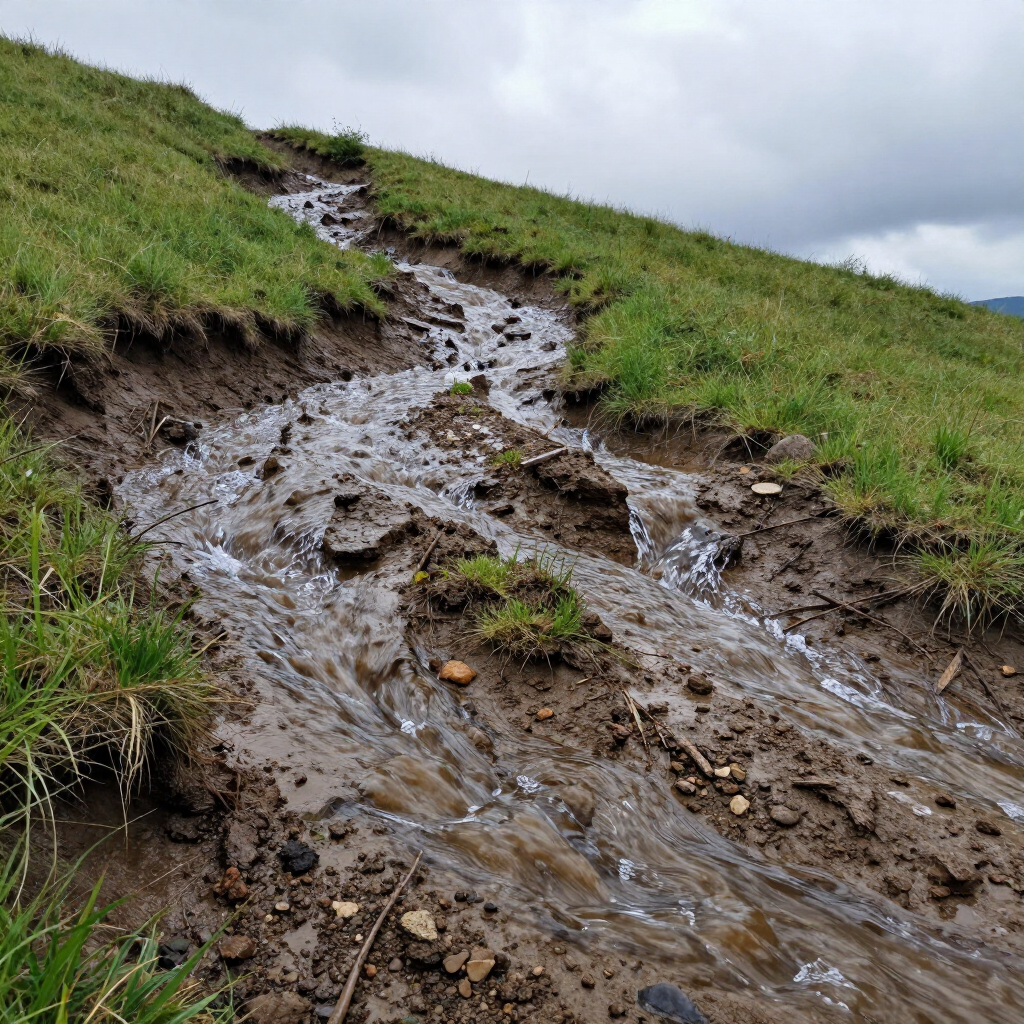
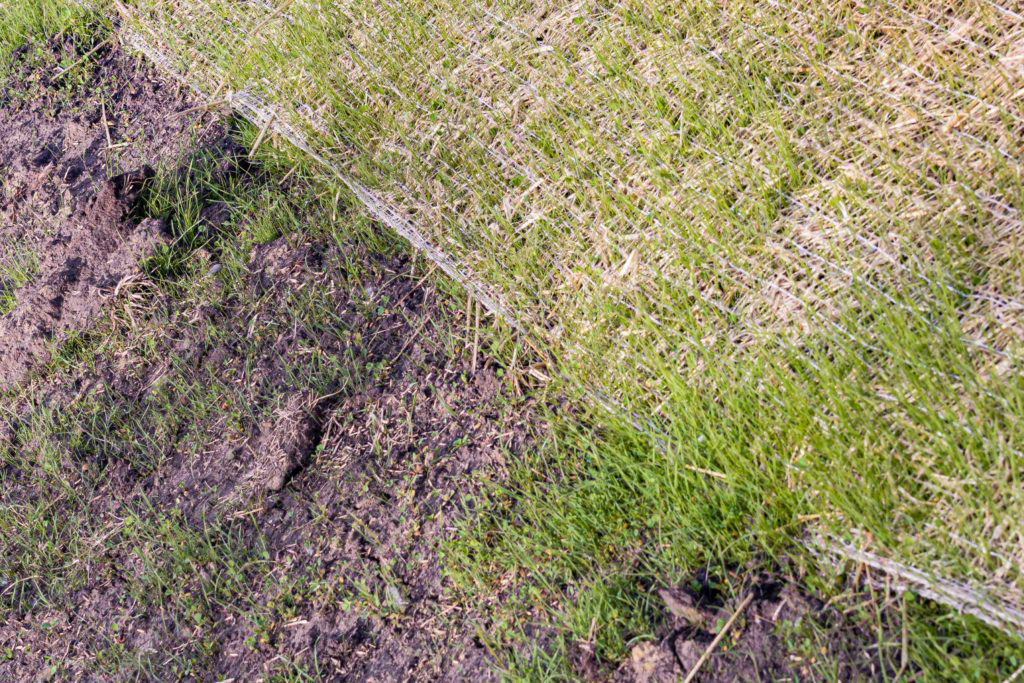
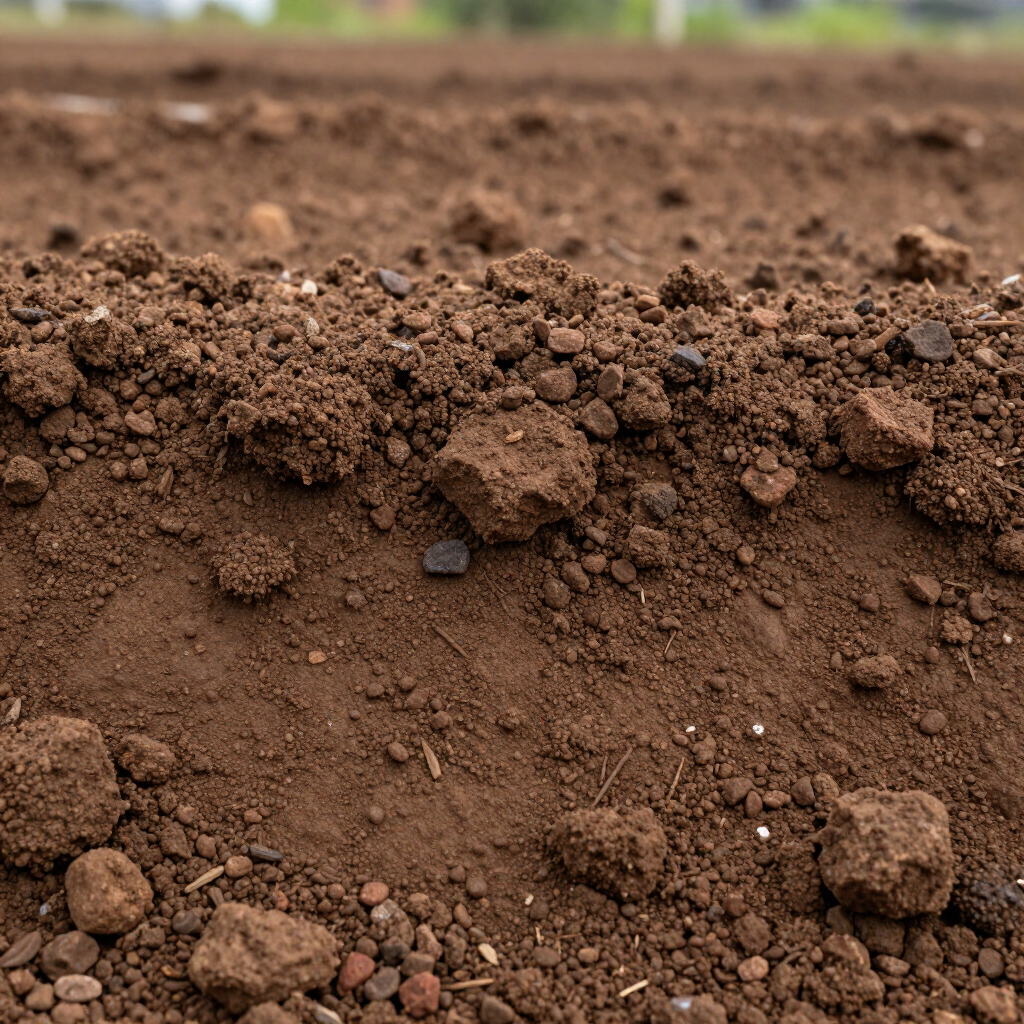
Any project that disturbs soil and then fertilizes and seeds it to establish new vegetation runs into the same problem once it rains: some of that soil, and some of that fertilizer, doesn't stay put. Road cuts, ski runs, subdivisions and commercial sites, mine and well-pad reclamation, cropland, golf courses — different industries, same physics. Some of it washes off exposed slopes before vegetation can hold it in place, and the rest finds the ditches, channels, and culverts that drain the site — the fastest route for sediment and nutrients to leave the property.
That's the real problem. It's not that a project uses fertilizer or seed to establish vegetation; it's that bare, disturbed soil erodes easily, and the ditches and channels collecting that runoff move water faster than a stabilized, vegetated slope does, giving sediment and nutrients far less chance to settle out before reaching a stream, pond, or storm system downstream. Phosphorus, in particular, travels almost entirely bound to sediment — so wherever sediment escapes a site, phosphorus goes with it. Once nitrogen and phosphorus reach open water, they're exactly what fuels algae growth, and increasingly what draws attention from state and federal stormwater and nutrient best-management-practice programs.
Two Forms, One Material-
WoodStraw addresses both halves of that problem, in two different forms.
Spread loose across a disturbed slope as erosion control mulch, WoodStraw's wood strands form a protective matrix over bare soil — holding it in place, slowing runoff, and increasing water infiltration into the ground rather than sheeting off. That infiltration matters for nutrients as much as for erosion: the more water soaks in instead of running off, the more chance applied fertilizer has to work its way into the soil where new vegetation can actually use it, rather than washing away before it does any good. It also gives seed a better chance to establish before a storm can wash exposed ground away. This stops erosion — and nutrient loss — closer to where it starts.
Baled, WoodStraw becomes a stormwater control device: set as a check dam across a ditch or channel, or placed as a filtration barrier in place of a straw wattle or silt fence, bales slow concentrated flow and trap the sediment — and sediment-bound nutrients — that are already moving with the water. This catches what the mulch upslope didn't.
Used together, mulch on the slope and bales in the channels below it, the two forms cover a site from where erosion starts to where runoff concentrates and leaves the property.
Where Phosphorus Goes, Sediment Control Follows
Trapping and holding back sediment is exactly what WoodStraw has spent two decades proving it can do, earning recognition from state DOTs, the Federal Highway Administration, and departments of ecology for erosion and sediment control across highway, construction, and reclamation projects.
That track record matters directly for phosphorus, because phosphorus travels almost entirely bound to sediment particles. Whether WoodStraw is holding soil in place on a slope so it never becomes runoff, or a baled check dam is trapping sediment that's already on the move, it's holding back the phosphorus riding along with it. That's not a borrowed analogy; it's a direct extension of a capability WoodStraw already has behind it, and it means both forms of the material can meaningfully cut the phosphorus load leaving a site.
Already Proven in the Field
This isn't a hypothetical. WoodStraw bales have already done exactly this job on real projects:
- Idaho, ~2009 — Following wildfire, WoodStraw bales were staked as check dams directly in a burned drainage as part of a U.S. Forest Service post-fire erosion control effort, holding back sediment moving down the channel toward the creek below.
- State Highway 131, Oak Creek Canyon, CO, ~2016 — CDOT installed WoodStraw bales at a culvert inlet to filter sediment out of concentrated runoff before it entered the drainage structure.
- North Fork of the Big Thompson River, CO, 2014–15 — After the catastrophic 2013 Front Range flooding, CDOT used WoodStraw on stream bank restoration along the river. A hydromulch application on an adjacent section of the same bank failed outright, and its soil, amendment, and seed washed downhill — where the WoodStraw section caught it before it reached the water.
That last project is a direct, real-world answer to the phosphorus question this post opened with: when the hydromulch on that bank failed, it wasn't a lab study or a spec sheet that kept the soil and nutrients out of the North Fork — it was the WoodStraw sitting right next to it.
Wood Is Also a Proven Nutrient-Capture Material
If you've spent any time around agricultural conservation work, you've probably heard of denitrifying woodchip bioreactors. They're a well-established practice: pack a trench or channel with ordinary wood chips, run nitrate-laden water through it, and naturally occurring bacteria colonize the wood's surface and consume its carbon, converting dissolved nitrate into harmless nitrogen gas. It's one of the better-documented natural nutrient-capture processes out there.
The field data backs it up. A seven-season study of a woodchip bioreactor treating agricultural drainage water in northeastern Germany found average nitrate removal of 59% and phosphorus load reductions of about 61% (Bauwe & Lennartz, 2025, *Ecological Engineering*). A field evaluation of four woodchip bioreactors in eastern South Dakota found nitrate load reductions ranging from 39% to 89% (Thapa et al., 2023, *Science of the Total Environment*).
That's the science behind why wood works: as water moves through it, wood becomes a carbon source for the bacteria that convert nitrate into harmless nitrogen gas. Baled WoodStraw put that same natural process to work right where a project needs it — set across a ditch or channel, dense wood surface sits directly in the path of the water, the same basic mechanism behind the bioreactor results above.
Where This Applies
Any site with disturbed, fertilized, or freshly seeded ground — and a drainage path leading off of it — is a candidate for both forms of the material:
- Road and highway construction — mulch on cut-and-fill slopes, bales as check dams in roadside ditches and at culvert inlets/outlets
- Ski area construction — mulch on graded trail and lift-line disturbance, bales in drainage channels below it
- Commercial and residential development — mulch on disturbed lots awaiting final stabilization, bales at perimeter ditches and detention/retention basin inlets in place of silt fence
- Mine reclamation — mulch on regraded slopes, bales in the channels carrying runoff off reclaimed ground
- Oil and gas reclamation — mulch on well pads, access roads, and pipeline corridors being returned to vegetation, bales at drainage crossings
- Agriculture — bales at field ditches and tile outlets draining toward creeks and ponds
- Golf courses — mulch on disturbed or renovated areas, bales in drainage ditches, swales, and creek channels carrying fertilizer runoff toward ponds and hazards
Simple to Deploy, Backed by a Regulatory Track Record
Both forms are simple to work with: 100% natural wood strands (pine, fir, hemlock), nothing chemical or synthetic introduced into the soil or water. Bales are rated for 4+ years of service life, which matters on sites that aren't easy to revisit every season. And the material is already well known to regulators: WoodStraw is on the qualified products lists of the Washington, Oregon, and Idaho DOTs, specified by name in Colorado DOT's Wood Strand Mulch spec (Section 213) for erosion and sediment control, pictured in FHWA's Roadside Revegetation handbook (2017), and accepted by the Washington Department of Ecology for sediment and water-quality control.
The material even gets a second life. Once bales have reached the end of their service as a stormwater control device, the wood strands can be broken up and spread as mulch on disturbed or re-seeded areas nearby — extra value out of the same material.
Talk to Us About Your Project
If you're managing a site where disturbed or fertilized ground drains toward a ditch, channel, or waterway, WoodStraw — as mulch, as bales, or both — is a natural, low-maintenance way to start capturing sediment and nutrients before they leave the property. We'd like to hear from you and talk through what makes sense for your site.
---
Gus Connelly is Director of Sales at Mountain Pine Manufacturing in Steamboat Springs, CO. Reach him at 970.367.6111 or gus@mpinem.com