Water Conservation Toolbox, Part Two: "Slow The Flow"
Why Infiltration is so important
In the first post in this series, we looked at turf conversion — replacing high-water turfgrass with native, low-water species. But species selection only pays off if the water that falls or is applied on a site actually gets into the ground. A native seed mix planted into compacted, non-porous soil will underperform a conventional lawn on a well-structured site. Infiltration — not plant selection alone — is the variable that determines whether a landscape functions as a water conservation asset or simply looks like one.
What Infiltration Actually Does
The U.S. Geological Survey frames infiltration as the mechanism that connects surface water to the rest of the water cycle: water that infiltrates moves through the shallow soil layer, some of it is used by plant roots, and — depth and soil conditions permitting — some of it continues downward to recharge groundwater aquifers. Site design that maximizes infiltration is, functionally, aquifer recharge design. Site design that maximizes runoff is the opposite: water leaves the site as fast as possible, taking topsoil and pollutants with it and doing nothing for the water table underneath.
For public works, stormwater, and land management programs, this reframes infiltration from an environmental nicety into an asset management question: every increment of infiltration capacity a site retains is stormwater infrastructure the municipality didn't have to build.
The Compaction Problem Is Bigger Than Most Specs Assume
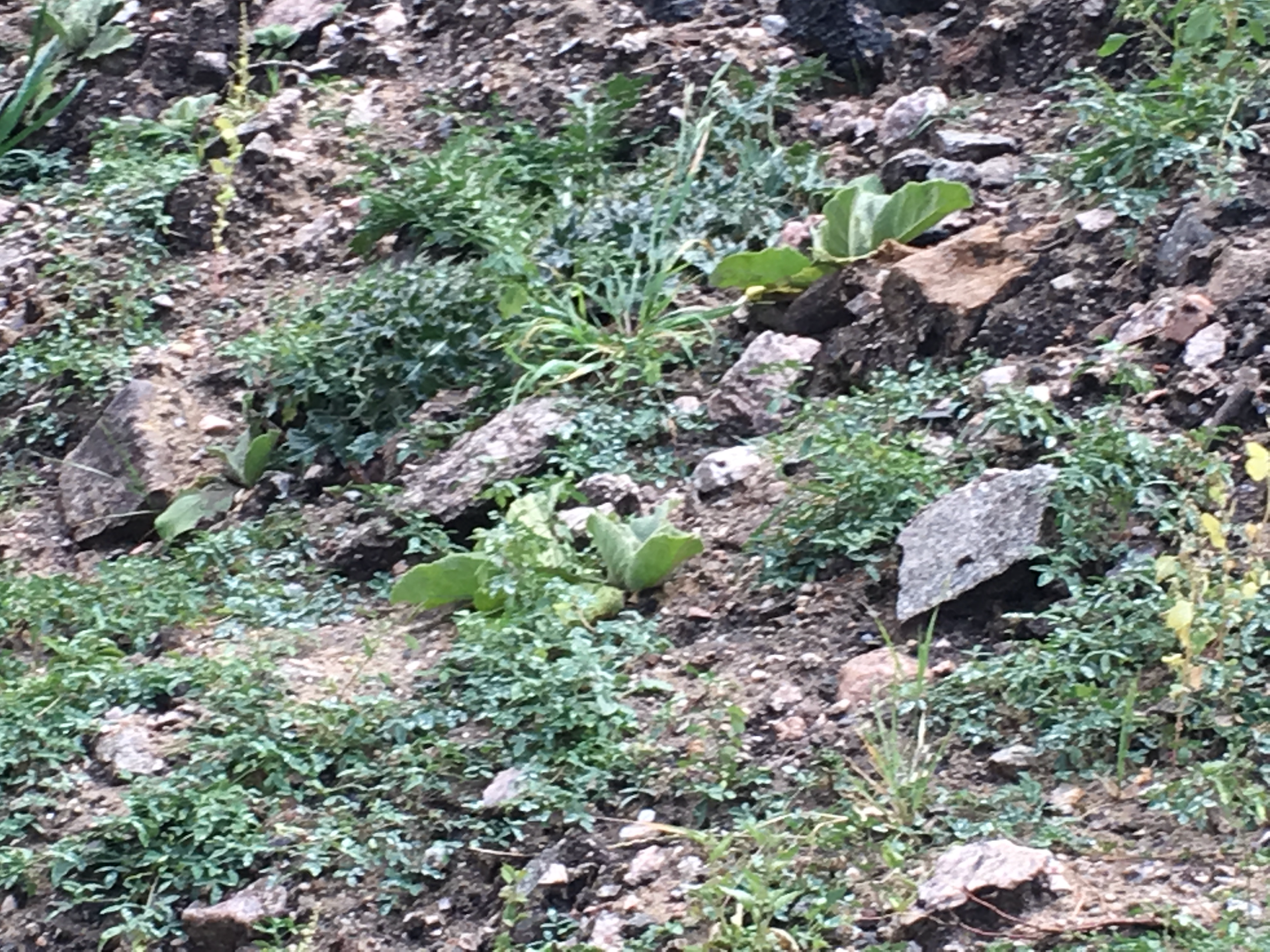
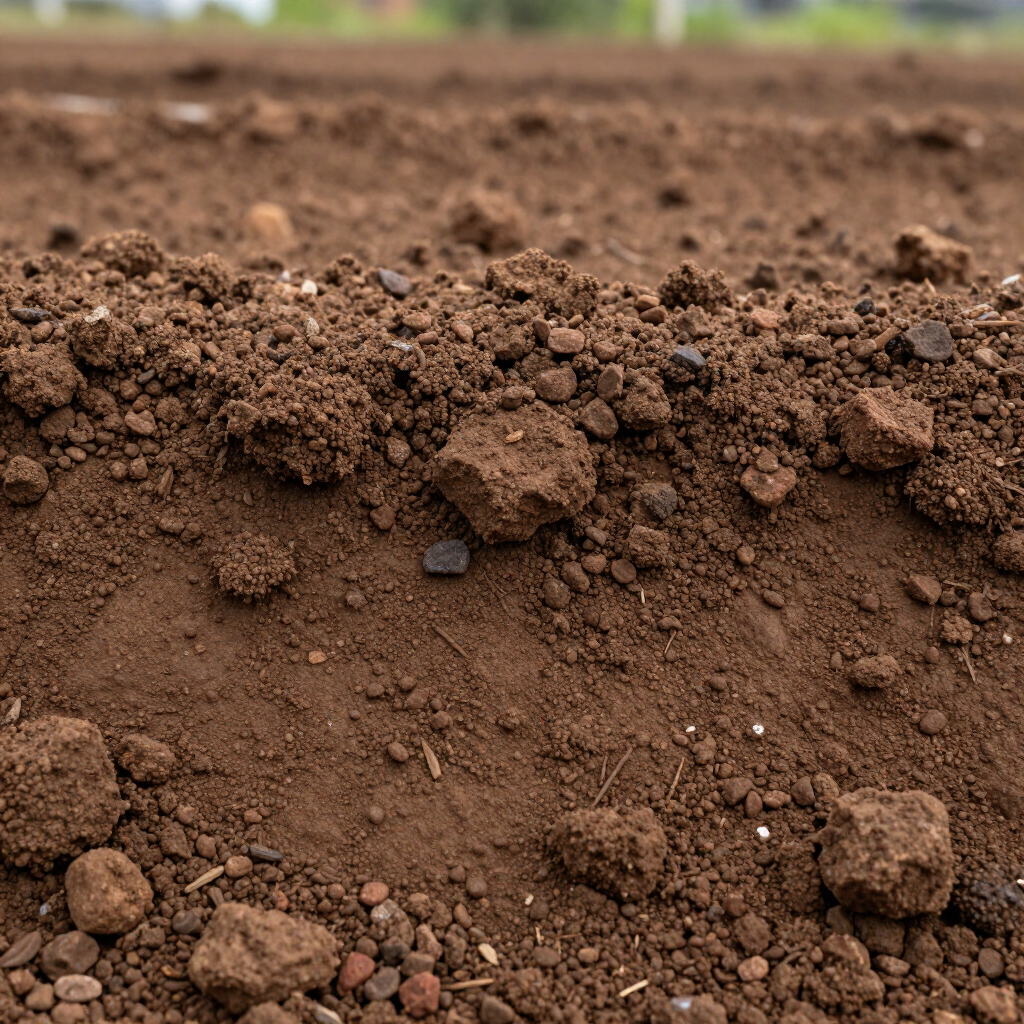
Soil compaction is the single most controllable variable in this whole picture, and the data on how much it costs is stark. Published research on urban soil compaction found that construction activity — grading, equipment traffic, soil moving — reduced infiltration rates by 70 to 99 percent compared to undisturbed soil at the same sites, with maximum compaction typically occurring 8 to 12 inches below the surface, right in the zone most seed and root establishment depends on. Non-compacted natural forest and pasture soils in that same research averaged infiltration rates in the range of 9 to 25 inches per hour; compacted soils at comparable sites dropped as low as 0.3 to 7 inches per hour.
That gap is almost entirely a construction-sequencing and specification issue, not a plant-selection issue. USDA-NRCS soil health guidance identifies the same mechanism from the agricultural side: compacted or impervious soil layers simply have less pore space, and long-term infiltration recovery depends on practices that rebuild organic matter and aggregation and minimize further disturbance. NRCS technical documentation on tillage transitions notes that once a compacted layer is broken and soil structure begins reconsolidating, meaningful infiltration recovery can still take two to seven years — which is a useful number to have in hand when a client or reviewer asks why decompaction and soil amendment need to be specified up front rather than addressed later.
Root Systems Are an Infiltration Input, Not Just an Irrigation Output
This is where the Part 1 turf conversion discussion and infiltration performance connect directly. A peer-reviewed meta-analysis of infiltration studies across conventional and alternative farming practices found that introducing perennial vegetation — grasses, agroforestry, or managed forestry — produced the largest measured increases in infiltration rate of any practice studied, an average of roughly 59 percent, with cover crops adding a further 35 percent on average. The mechanism is continuous living roots and undisturbed ground cover, which build soil aggregation and macropore networks that compacted, frequently-disturbed turf systems don't develop.
Rooting depth itself is a large part of the story. University extension research on prairie root systems documents warm-season native grasses producing root systems 4 to 8 feet deep, concentrated in the top 12 inches but extending far below it. Kentucky bluegrass, by contrast, is typically documented in managed lawn conditions at 3 to 6 inches of root depth, with some sources citing up to 18 inches under ideal, infrequent-irrigation management — still an order of magnitude shallower than native prairie species at full establishment. Deeper, denser root architecture creates more continuous pore pathways for water to move down through the soil profile rather than sheeting off the surface.
NRCS field data on residue and mulch cover adds a related, practical number: soil health management practices that combine reduced disturbance with mulch or residue retention showed up to a 30 percent increase in infiltration rate and moisture retention, and a review of multiple studies found mulch and cover practices reduced surface runoff by 4 to 50 percent depending on site conditions.
A Necessary Caveat on Recharge
It would be an oversimplification to say deep roots always mean more aquifer recharge, and the research doesn't support that as a blanket claim. Deep-rooted vegetation also increases evapotranspiration, and several studies — including USGS-adjacent groundwater research and a UC Riverside-led study on shrub encroachment — found that in some landscapes, deep-rooted woody or perennial species intercept and use more of the infiltrated water before it ever reaches the water table, particularly on flat terrain with high water demand from the vegetation itself. Recharge outcomes depend on the balance between infiltration capacity, rooting depth, plant water demand, and local topography — which is exactly why generic landscape specs and one-size-fits-all root-depth requirements tend to underperform site-specific hydrology work.
The takeaway for spec writers isn't "deeper roots always recharge more groundwater." It's that infiltration capacity is the precondition for recharge to be possible at all — and that getting the soil right is the part of the system decision-makers actually control, regardless of how a given planting plan nets out on evapotranspiration.
What This Means for Specifications
For anyone writing or reviewing a landscape, erosion control, or stormwater management spec, the infiltration research points to a short list of controllable, testable requirements:
- Decompaction as a line item, not an afterthought. Given the 70–99 percent infiltration loss documented on compacted construction sites, post-construction decompaction (subsoiling, tilling, or equivalent) should be specified and verified before planting, not assumed to self-correct.
- Organic matter and soil amendment targets. Since aggregation and organic matter content are the mechanisms behind long-term infiltration recovery, specs should include measurable soil amendment requirements rather than a generic "amend as needed" clause.
- Root-appropriate species selection matched to site hydrology, not just water-use tables — a deep-rooted species is only an infiltration asset if the site's soil structure and drainage actually allow water to reach those roots.
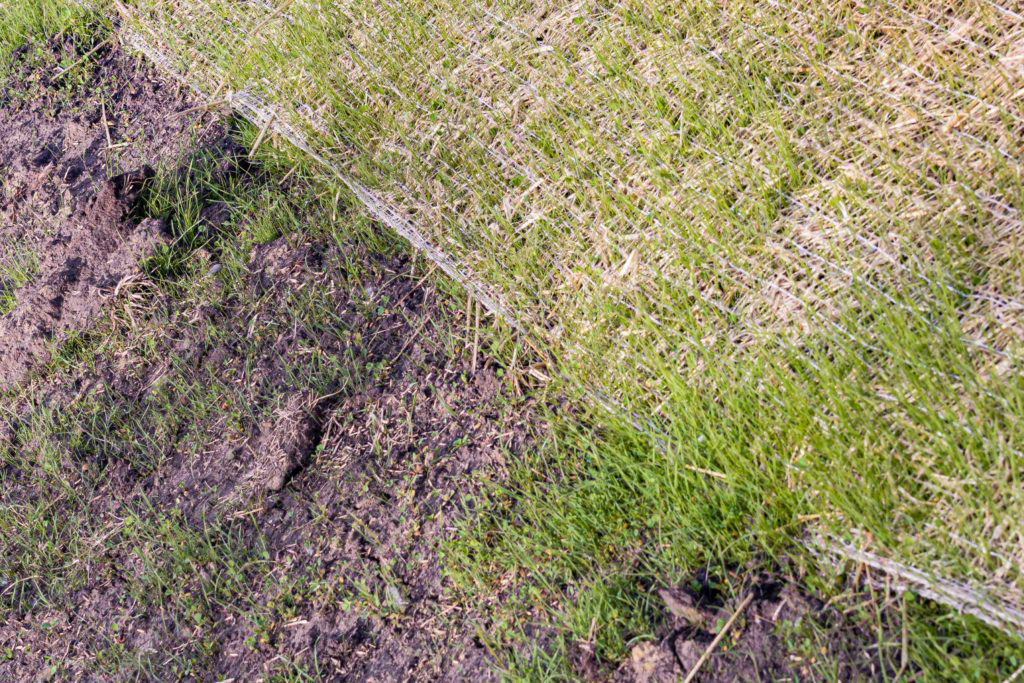
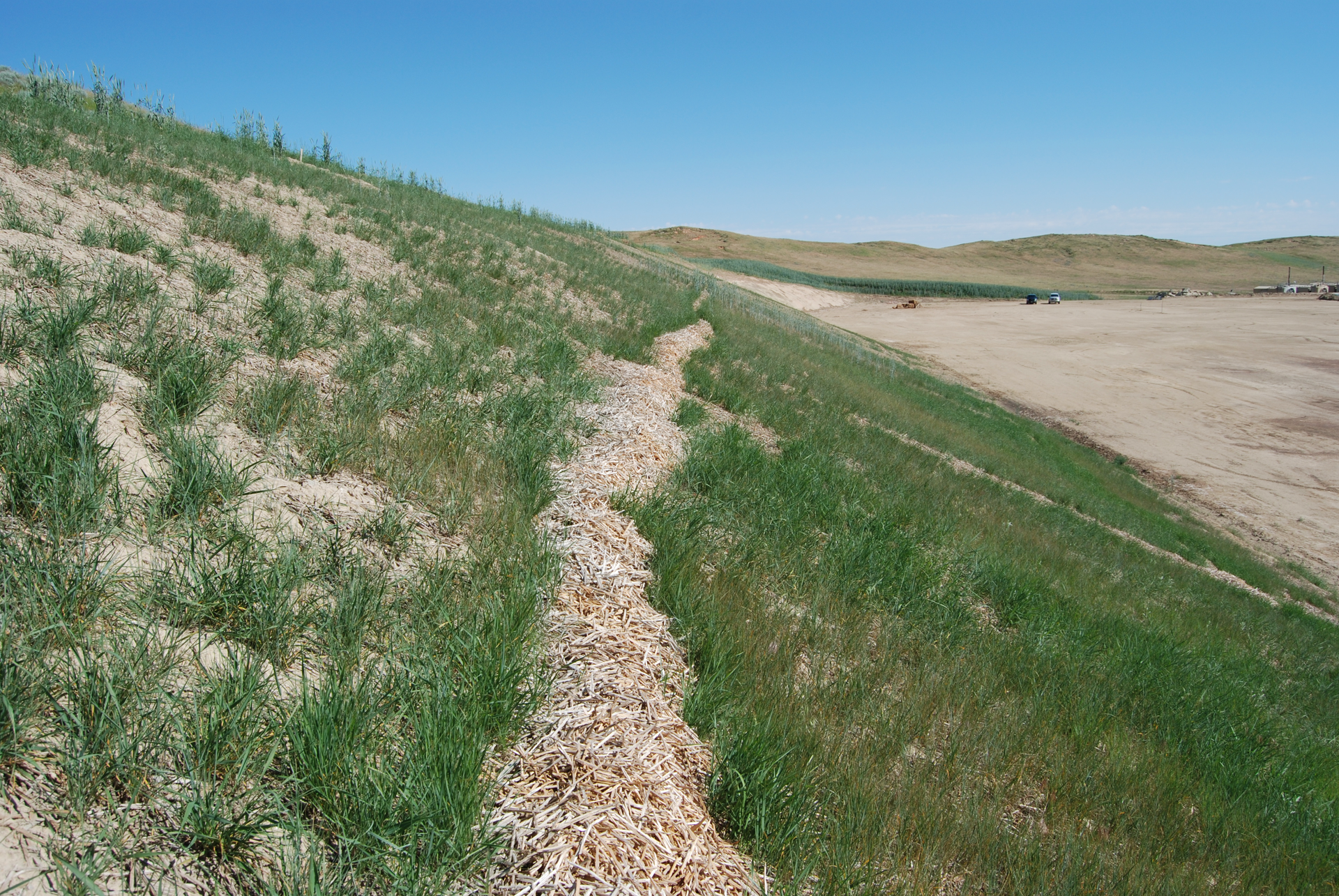
- Protective ground cover during the establishment window. Every mechanism above — aggregation, macropore development, root establishment — takes time, and bare soil during that window is exposed to the same crusting and erosion risk that undermines infiltration gains before they can develop. A soil-contact mulch cover that holds moisture and limits surface disturbance during establishment is what protects the infiltration investment until root systems can take over that job themselves.
The Bottom Line for Decision Makers
Plant selection gets the attention in most water conservation conversations, but infiltration capacity is the variable that determines whether that plant selection actually delivers a water conservation outcome. Soil compaction alone can erase 70 to 99 percent of a site's infiltration potential regardless of what's planted in it, and rebuilding that capacity through organic matter and root development is a multi-year process, not a one-time fix. Specifications that treat decompaction, soil amendment, and establishment-phase protection as core requirements — not afterthoughts to the planting plan — are the specifications most likely to produce a landscape that actually functions as water conservation infrastructure.