Water Conservation Toolbox Part One: "Waste Not Want Not"
Turf Conversion in Colorado Cities Has Many Benefits
Kentucky bluegrass has been the default landscape specification for Colorado municipalities for decades, but it was never suited to this climate. It's a cool-season, water-intensive species bred for wetter regions — not the semi-arid High Plains and Front Range. As drought pressure, population growth, and tightening water budgets push municipal water providers, parks departments, and DOT right-of-way programs to reconsider standard landscape specs, the case for converting turf to native, water-wise plantings is increasingly a budget and policy question, not just an aesthetic one.
The Water Math That Matters to Utilities
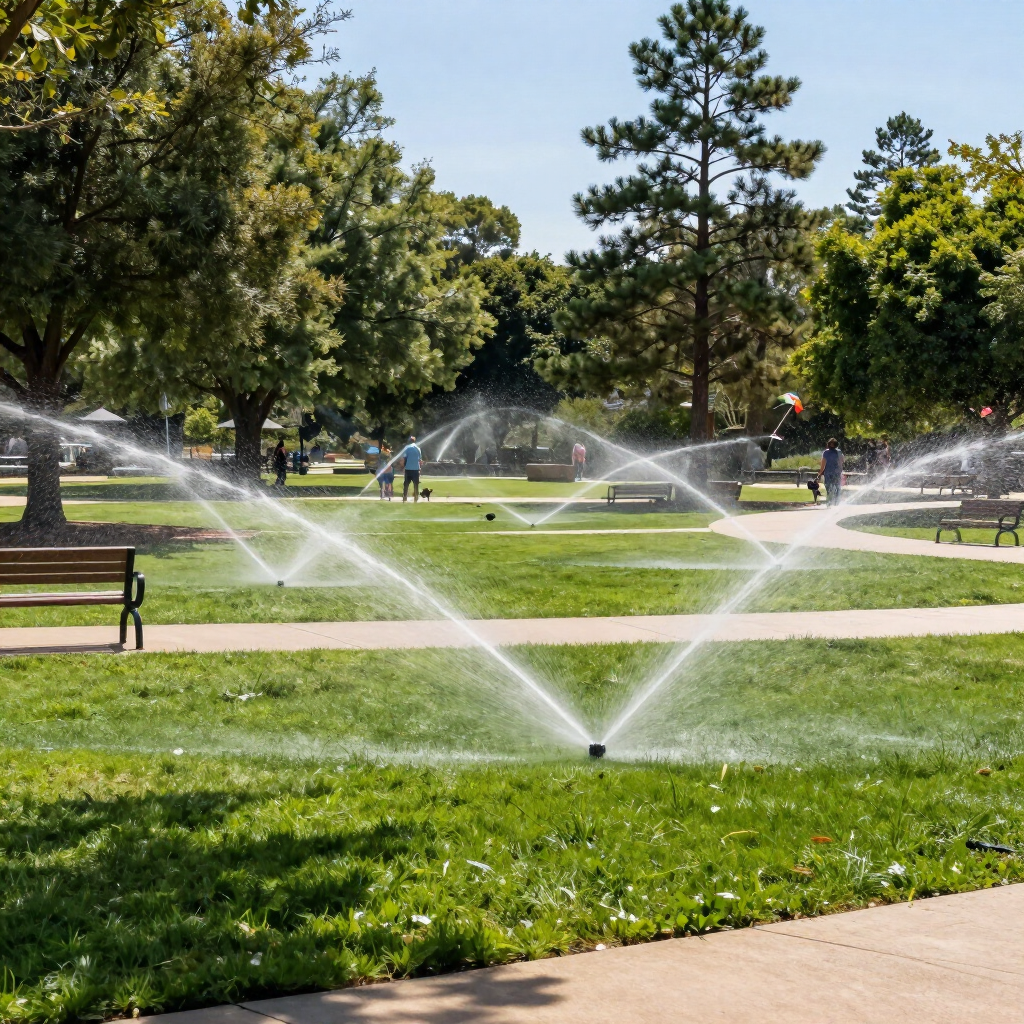
Outdoor irrigation is the largest driver of peak summer demand for most Colorado water providers, and turf is the largest single consumer of that irrigation. For utilities managing treatment capacity, storage, and peak-day infrastructure costs, the native alternatives are a meaningful demand-management lever:
- Buffalograss (Bouteloua dactyloides), a warm-season native forming a dense, mowable turf, uses roughly a third of the water Kentucky bluegrass requires once established — making it a viable turf replacement for parks, medians, and low-traffic public turf areas.
- Blue grama and sideoats grama deliver similar water savings and are well suited to larger, lower-maintenance rights-of-way, detention areas, and open space parcels.
- Fine fescues offer a cool-season option for sites where a closer-to-traditional turf appearance is a design requirement, at meaningfully reduced water input.
Worth noting for anyone building a public-facing case: a 2024 CWCB analysis found that converting all non-functional turf statewide would save only a small fraction of Colorado's total water use, since agriculture dominates statewide demand. The value case for municipal turf conversion isn't a statewide water crisis narrative — it's peak-demand management, avoided infrastructure costs, and rate stability at the utility and district level, where outdoor water use is concentrated.
Policy and Funding Are Already Built for This
This isn't a discretionary sustainability initiative anymore — it's increasingly baked into Colorado code and grant structures that spec writers and program managers should already be tracking:
- HB22-1151 (2022) created the state's Turf Replacement Grant Program, providing matching funds to municipalities, water providers, and eligible nonprofits to run local rebate and conversion programs. Individual homeowners and HOAs aren't eligible to apply directly — this is a program built around institutional applicants.
- Aurora, Castle Rock, Colorado Springs Utilities, Denver Water, and others already have submitted applications and active local programs; several — Castle Rock among them — have gone further and written non-essential turf prohibitions directly into new-development landscape ordinances (Castle Rock's ColoradoScape requirement is a useful reference spec).
- The institutional logic driving these ordinances: retrofitting existing turf costs several thousand dollars per site, while writing native-species requirements into new-development landscape ordinances prevents that cost from ever being incurred. For anyone drafting or revising municipal landscape code, that's the stronger long-run lever.
Performance Case Beyond Water Savings
For engineers and program managers evaluating turf conversion against maintenance and lifecycle budgets, the secondary benefits are where the numbers add up over time:
- Lower input requirements. Native grasses adapted to regional soils require substantially less fertilizer and pesticide input than turf bred for high-maintenance management, reducing chemical procurement and application labor on public land.
- Reduced mowing frequency and equipment wear, a direct line item for parks and right-of-way maintenance budgets.
- Improved soil infiltration and structure from deeper native root systems, which has knock-on value for stormwater management on public sites versus the shallow, compacted root mats typical of conventional turf.
- Habitat and pollinator function, increasingly a factor in grant scoring and public communications for municipalities pursuing sustainability certifications or state recognition.
Where Public Projects Actually Fail: Establishment
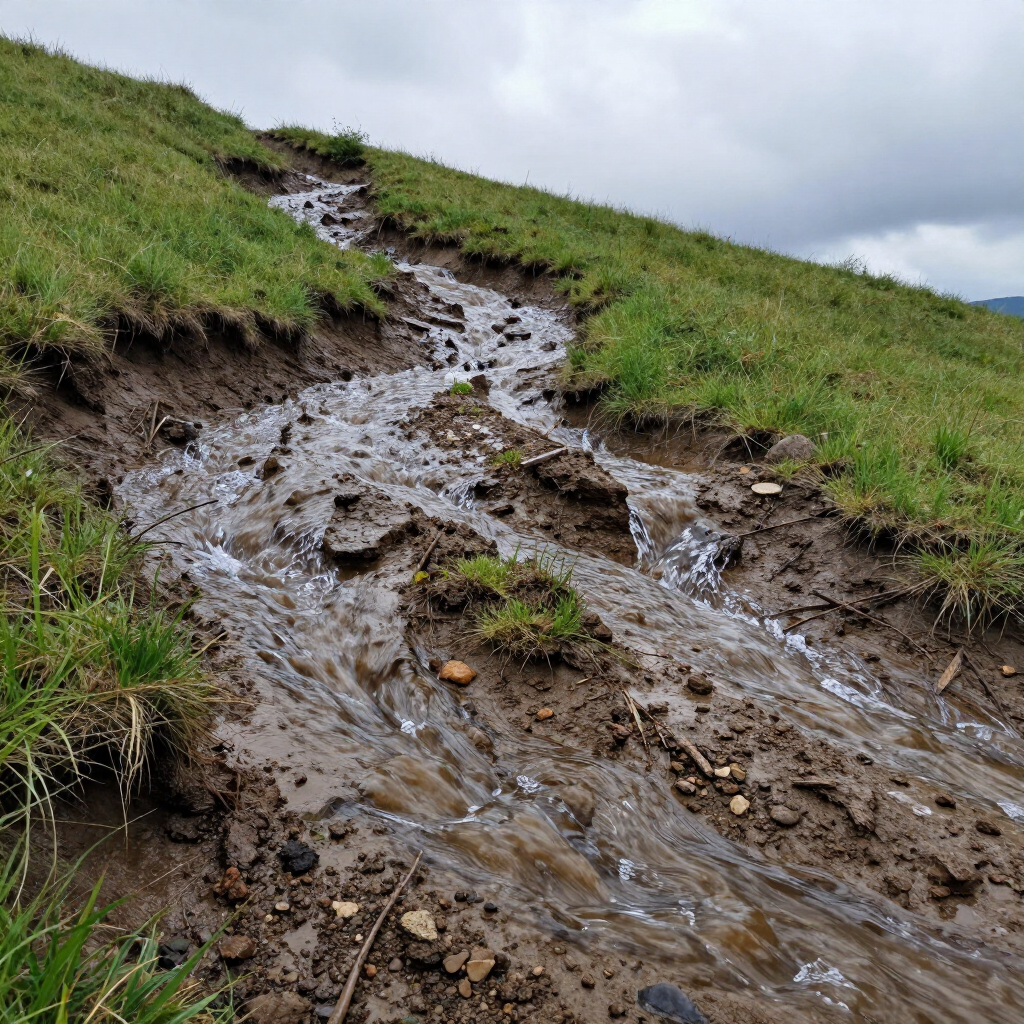
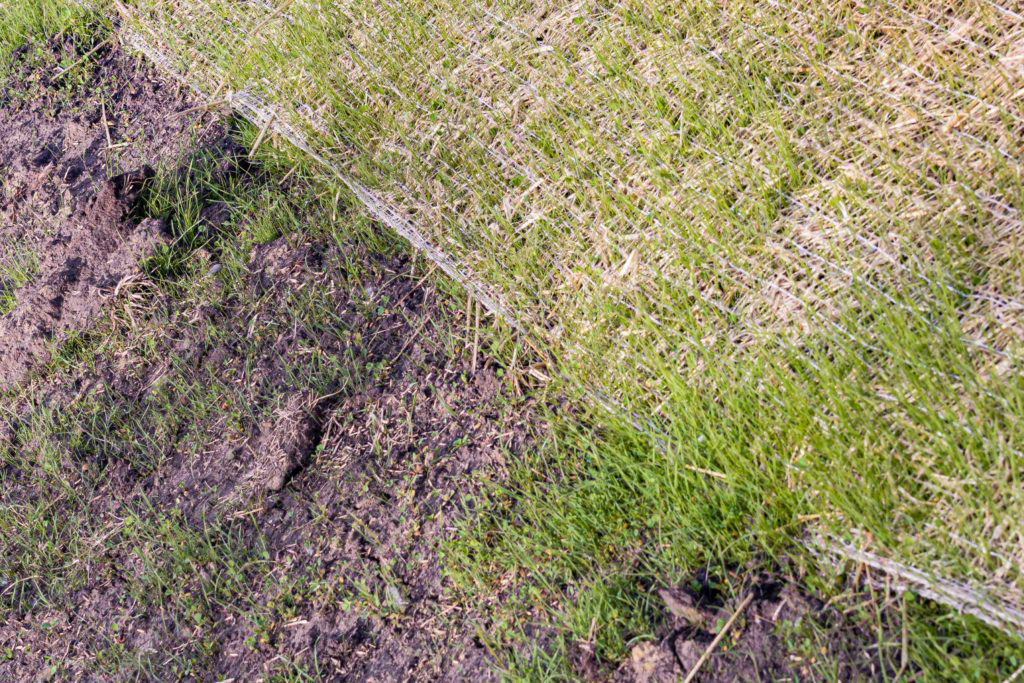
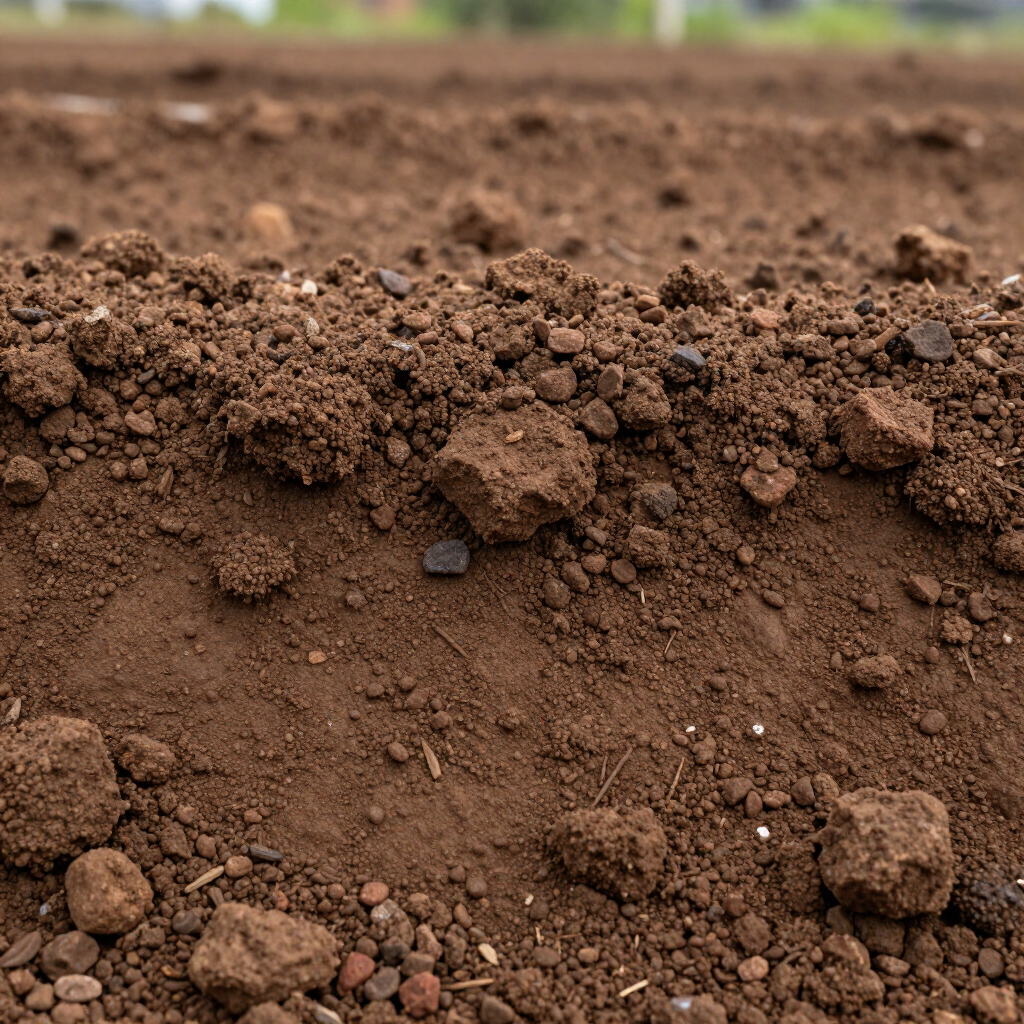
The tradeoff — and the part that should shape any spec or RFP — is that native seedings establish far more slowly than sod, and the first one to two growing seasons determine whether a public conversion project succeeds or becomes a visible, budget-draining failure that undermines the next round of funding requests. Bare, disturbed soil during that window is exposed to erosion, crusting, and weed competition, and inconsistent seed-zone moisture is the leading cause of native seeding failure on public sites.
This is the point in a spec where erosion control and mulch cover selection stops being a line item and starts determining project outcome. A protective, soil-contact cover during establishment moderates soil temperature, extends moisture retention between irrigation cycles, and protects seed and emerging seedlings from wind and water erosion until root systems are developed enough to hold the site independently. For spec writers, this is the phase worth over-engineering relative to the rest of the project — a successful establishment period is what turns a turf conversion line item into a completed, defensible capital project.
The Bottom Line for Decision Makers
Turf conversion in Colorado isn't being sold on a statewide water-crisis narrative — the honest data doesn't support that framing. The case that holds up is narrower and more concrete: measurable peak-demand reduction, avoided retrofit and infrastructure costs, lower long-term maintenance spend, and a state grant and code framework already built to support institutional applicants. The variable most likely to determine whether a given project delivers on that case is how well the establishment phase — soil, seed, and cover — is specified and executed.